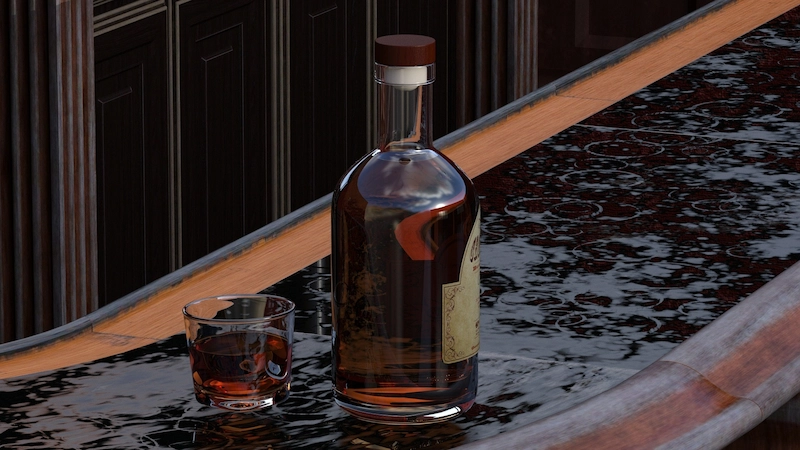
Alcoholic beverages have been part of human culture for thousands of years. From celebrations to quiet evenings, these drinks play a role in many social settings. But what exactly are alcoholic beverages, and how can we enjoy them safely? This guide will help you understand the basics.
What Are Alcoholic Beverages?
Alcoholic beverages are drinks that contain ethanol, a type of alcohol made through fermentation. When yeast breaks down sugars in fruits, grains, or other ingredients, it creates alcohol. Different methods of making these drinks give us many varieties to enjoy.
The main types include beer, wine, and spirits like whiskey, vodka, and rum. Each type has its own unique flavor, history, and way of being made. Some drinks are simple, while others go through complex processes that can take many years.
Common Types of Alcoholic Beverages
Beer is one of the oldest drinks humans have made. It comes from fermented grains like barley, wheat, or corn. People enjoy many styles from light lagers to dark stouts.
Wine is made from fermented grapes or other fruits. Red wine, white wine, and rosé each have different tastes and colors based on the grape type and growing region.
Spirits are stronger drinks made through distillation, which increases alcohol content. Whiskey, made from grains, is a popular spirit with rich flavors. At the Whiskey Education Foundation, we teach about whiskey’s history and proper tasting techniques.
Liqueurs are sweet spirits with added flavors like fruit, herbs, or chocolate, often used in cocktails or enjoyed after dinner.
Interesting Research About Drinking Habits
According to recent data from the National Institute on Alcohol Abuse and Alcoholism, about 78% of adults in the United States have consumed alcohol at some point in their lives. However, the research also shows that moderate consumption patterns are most common among responsible drinkers. This highlights why education about proper consumption is so important.
Understanding what you drink helps you make better choices. Education about alcoholic beverages goes beyond just knowing flavors. It includes learning about alcohol content, serving sizes, and how different drinks affect your body.
How to Enjoy Alcoholic Beverages Responsibly
Drinking should always be done with care and knowledge. Know your limits, as every person is different. Pay attention to how you feel.
Eat before and while drinking to slow alcohol absorption. Drink water between alcoholic drinks—a good rule is one glass of water for every alcoholic drink. Never drink and drive. Always plan safe transportation before drinking.
Understand serving sizes. A standard drink is 12 ounces of beer, 5 ounces of wine, or 1.5 ounces of spirits, all containing about the same amount of alcohol.
The Importance of Whiskey Education
At WhiskyEdu, we believe knowledge makes every experience better. Our whiskey education programs in California help people learn about this special spirit safely and enjoyably. We offer tastings and courses covering how whiskey is made, proper tasting methods, and responsible enjoyment.
Our team brings years of experience to every event, working with private groups and companies. We also teach about pairing whiskey with food. The right combination can bring out flavors you never noticed. Cheese, chocolate, and certain meats can taste amazing with the right whiskey.
Making Smart Choices
Choosing what to drink is personal. Some enjoy trying new types of alcoholic beverages, while others prefer their favorites. Quality matters more than quantity—a small amount of something you truly enjoy beats drinking lots of something you do not like.
Learn about what you drink. Understanding where drinks come from and how they are made enhances the experience. Many distilleries offer tours where you can see the process. Respect your body by stopping if you feel unwell, checking with your doctor about medicine interactions, and avoiding alcohol during pregnancy.
At our WhiskyEdu events in San Jose and San Francisco, people come together to learn from experts. Virtual tastings allow participation from anywhere—we send a bottle list and guide you online. More people are becoming interested in beverage education, promoting responsible enjoyment and helping fight misinformation.
Conclusion
Alcoholic beverages are part of many cultures worldwide. Learning about them makes experiences richer and more enjoyable. Whether you love whiskey, wine, beer, or cocktails, there is always something new to discover.
Responsible consumption is key to safe enjoyment. Take time to learn, taste slowly, and appreciate the craft behind these drinks. At WhiskyEdu, we help you on that journey through education, tastings, and community events in California, offering both in-person and virtual experiences.
Frequently Asked Questions
Q1: What is the difference between liquor and spirits?
The terms “liquor” and “spirits” mean the same thing. They both refer to alcoholic drinks made through distillation, like whiskey, vodka, rum, and gin. These drinks have higher alcohol content than beer or wine.
Q2: How much alcohol is in one standard drink?
One standard drink contains about 0.6 ounces of pure alcohol. This equals 12 ounces of beer (5% alcohol), 5 ounces of wine (12% alcohol), or 1.5 ounces of spirits (40% alcohol). Knowing this helps you track how much you are drinking.
Q3: What does “proof” mean on a bottle label?
Proof is a measure of how much alcohol is in a drink. In the United States, the proof is twice the alcohol percentage. So if a whiskey is 80 proof, it contains 40% alcohol. Higher proof means more alcohol.
Q4: Can I learn about whiskey without being an expert?
Yes! Anyone can learn about whiskey, no matter their experience level. Educational tastings are designed for all levels, from complete beginners to experienced drinkers. The goal is to help you enjoy and understand what you are drinking.
Q5: Is it safe to mix different types of alcoholic beverages?
Mixing different types of alcohol does not make you more drunk than drinking one type, but it can make it harder to track how much you have had. The total amount of alcohol matters, not the variety. Drink slowly and know your limits regardless of what you are drinking.
Q6: How can I host a responsible tasting event?
To host a responsible tasting event, provide food, encourage small sips for tasting (not heavy drinking), offer non-alcoholic drinks and water, arrange safe transportation for guests, and consider hiring an educator to guide the experience. Making it educational helps keep the focus on learning rather than excessive drinking.