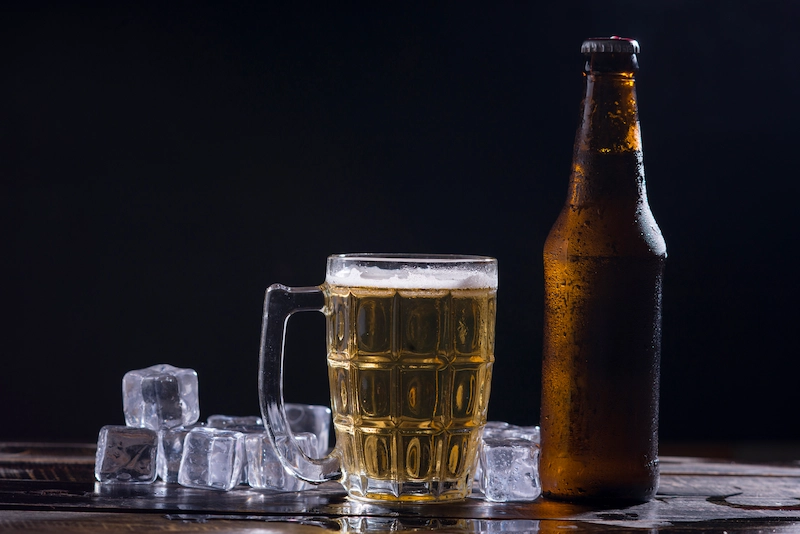
How is alcohol made? This question has intrigued humans for thousands of years, leading to the creation of some of the world’s most beloved beverages like beer, wine, and spirits. At its core, alcohol production revolves around a natural biochemical process called fermentation, where microorganisms transform sugars into ethanol and carbon dioxide. Whether you’re a homebrewing enthusiast or simply curious about what’s in your glass, understanding this process reveals the artistry and science behind every sip. In this comprehensive guide, we’ll break down the step-by-step journey of alcohol making, focusing on fermentation while touching on distillation for higher-proof drinks.
Understanding Fermentation: The Heart of Alcohol Production
Fermentation is a metabolic process that occurs in the absence of oxygen, allowing yeast or bacteria to convert sugars into alcohol and other byproducts. It’s an anaerobic reaction, meaning it doesn’t require air, which is why sealed vessels are often used in brewing. The primary microorganism involved is yeast, specifically strains like Saccharomyces cerevisiae, which have been domesticated over centuries for this purpose.
The basic equation for alcoholic fermentation is straightforward: glucose (a simple sugar) is broken down into ethanol (alcohol) and carbon dioxide. This can be represented as C6H12O6 → 2C2H5OH + 2CO2. But in practice, the process involves multiple steps, starting with glycolysis, where glucose is converted to pyruvate, followed by the reduction of pyruvate to ethanol. This not only produces alcohol but also regenerates NAD+ molecules needed for glycolysis to continue.
Fermentation isn’t limited to alcohol; it’s also used in making bread, yogurt, and sauerkraut. However, for alcoholic beverages, the goal is to maximize ethanol production while controlling flavors and avoiding off-tastes from unwanted microbes.
Key Ingredients in Alcohol Making
Before diving into the steps, let’s look at the raw materials. Alcohol can be made from any sugar-rich source, but common ones include:
- Grains: Barley, corn, wheat, and rye are staples for beer and whiskey. These provide starches that must be converted to sugars.
- Fruits: Grapes for wine, apples for cider. These contain natural sugars like fructose.
- Vegetables or Other Sources: Potatoes for vodka or sugarcane for rum.
Water is essential, acting as the medium for reactions. Yeast is the star player, and hops or herbs might be added for flavor in beers. Enzymes from malted grains help break down starches into fermentable sugars.
The choice of ingredients influences the final product’s taste, color, and alcohol content. For instance, wine from grapes can range from sweet to dry based on residual sugars post-fermentation.
Step-by-Step Guide to Making Beer Through Fermentation
Beer production is a great example to illustrate how is alcohol made on a practical level. It’s typically a fermented cereal-based beverage with an alcohol content of 4-6%.
- Milling and Mashing: Grains like barley are milled into a coarse flour called grist. This is mixed with hot water in a process called mashing, where enzymes convert starches to sugars, creating a sweet liquid called wort.
- Lautering and Boiling: The wort is separated from the solids (spent grains) through lautering. It’s then boiled with hops, which add bitterness, aroma, and act as a preservative. This step also sterilizes the mixture.
- Cooling and Fermentation: The hopped wort is cooled to around 20-25°C (68-77°F) and transferred to a fermentation vessel. Yeast is pitched (added), and fermentation begins. Over 5-10 days, yeast consumes the sugars, producing alcohol and CO2. This is primary fermentation.
- Conditioning and Packaging: After primary fermentation, the beer undergoes secondary fermentation or conditioning to mature flavors and clarify. It’s then carbonated (naturally or forced) and packaged.
The entire process can take a few weeks, and the alcohol content depends on the initial During fermentation, yeast consumes the sugars present in the mixture, producing alcohol and carbon dioxide as byproducts. This natural process can vary in duration based on factors such as temperature and the specific yeast strain used. Once fermentation is complete, the liquid is often clarified and may undergo additional steps like aging or flavoring to enhance its characteristics sugar levels and yeast tolerance.
How Wine is Produced: A Fruit-Based Fermentation
Wine making follows a similar principle but starts with fruits, making it simpler in some ways.
- Harvesting and Crushing: Grapes are harvested at peak ripeness and crushed to release juice (must). For red wines, skins are included for color and tannins; for whites, they’re removed.
- Fermentation: Yeast, either wild or cultured, is added to the must. Fermentation occurs at controlled temperatures (cooler for whites, warmer for reds) over 1-2 weeks. Sugars turn into alcohol, with CO2 escaping.
- Pressing and Aging: After fermentation, solids are pressed out. The wine ages in barrels or tanks, developing complexity.
- Bottling: It’s filtered, stabilized, and bottled. Some wines continue to age in the bottle.
Wine’s alcohol content usually ranges from 9-15%, influenced by grape sugar levels and fermentation duration.
Distillation for Spirits: Taking Fermentation Further
For higher-alcohol drinks like whiskey or vodka, fermentation alone isn’t enough—distillation follows.
- Base Fermentation: Similar to beer, a mash from grains or fruits is fermented into a low-alcohol “wash” (around 5-10% ABV).
- Distillation: The wash is heated in a still. Alcohol boils at a lower temperature than water (78.3°C vs. 100°C), so vapors are collected and condensed into a higher-proof liquid. This may be done multiple times for purity.
- Aging and Blending: Spirits like whiskey age in oak barrels for flavor. Others, like vodka, are filtered and diluted.
Distillation concentrates ethanol, resulting in 40% ABV or higher spirits.
The Science and History Behind Alcohol Fermentation
Delving deeper, how is alcohol made on a molecular level? It begins with glycolysis, a universal pathway where glucose yields pyruvate and energy. In yeast, pyruvate decarboxylates to acetaldehyde, then reduces to ethanol via alcohol dehydrogenase enzyme.
Historically, fermentation was discovered accidentally around 7000 BCE in China or the Middle East. Louis Pasteur in the 19th century proved it was caused by living yeasts, revolutionizing the industry. Today, modern techniques include genetically modified yeasts for efficiency and flavor control.
Variations, Modern Innovations, and Safety Considerations
Alcohol production varies globally. In Ethiopia, for example, traditional liquors like “Parshot” involve multi-step fermentations with local grains and plants. Low-alcohol or non-alcoholic versions are made by removing ethanol post-fermentation.
Safety is paramount. Home fermentation requires sanitation to prevent contamination by harmful bacteria. Distillation at home may be illegal in some places without permits, and improper methods can produce toxic methanol. Always use food-grade equipment and monitor temperatures.
Commercially, regulations ensure quality, but understanding the process helps appreciate responsible consumption.
Conclusion: The Timeless Art of Alcohol Making
From ancient rituals to modern craft breweries, the question of how is alcohol made ties back to fermentation’s magic. This step-by-step guide has walked you through the essentials, from ingredients to final product. Whether brewing your first batch or enjoying a drink, remember it’s a blend of nature, science, and human ingenuity. If you’re inspired to try, start small and learn safely—cheers to discovery!