Whisky flavor is often associated with geography, but modern whisky production shows that region is only one part of the story.
For decades, whisky lovers were taught that geography determined flavor.
You’ve probably heard statements like:
- Speyside whiskies are fruity.
- Islay whiskies are smoky.
- Highlands are rich and bold.
- Lowlands are light and delicate.
While these descriptions helped introduce people to Scotch and single malt whisky, they’re no longer reliable ways to predict what’s in your glass.
Today, modern whisky production has evolved, and flavor is influenced by much more than where a distillery happens to be located.
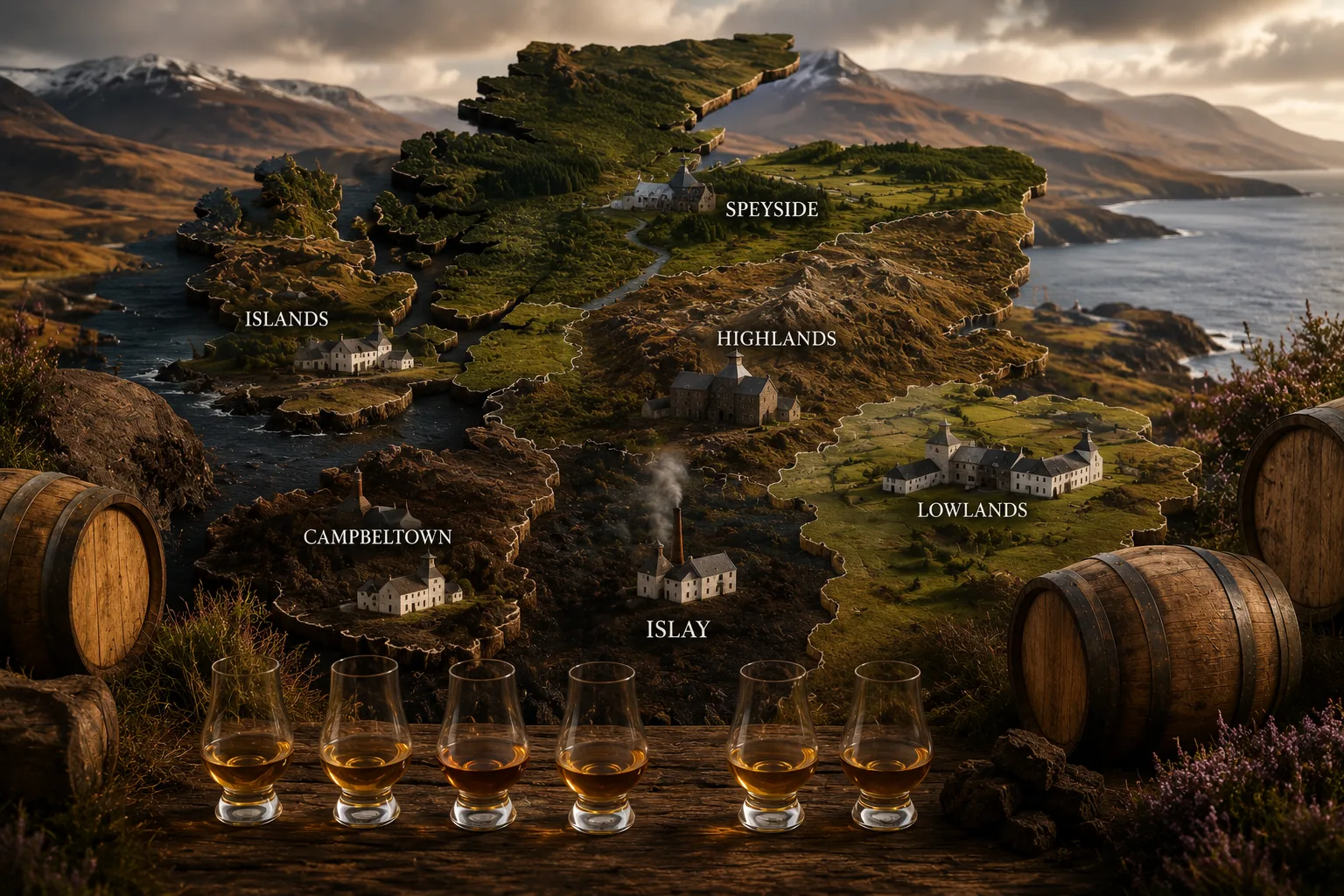
The Traditional Scotch Regions
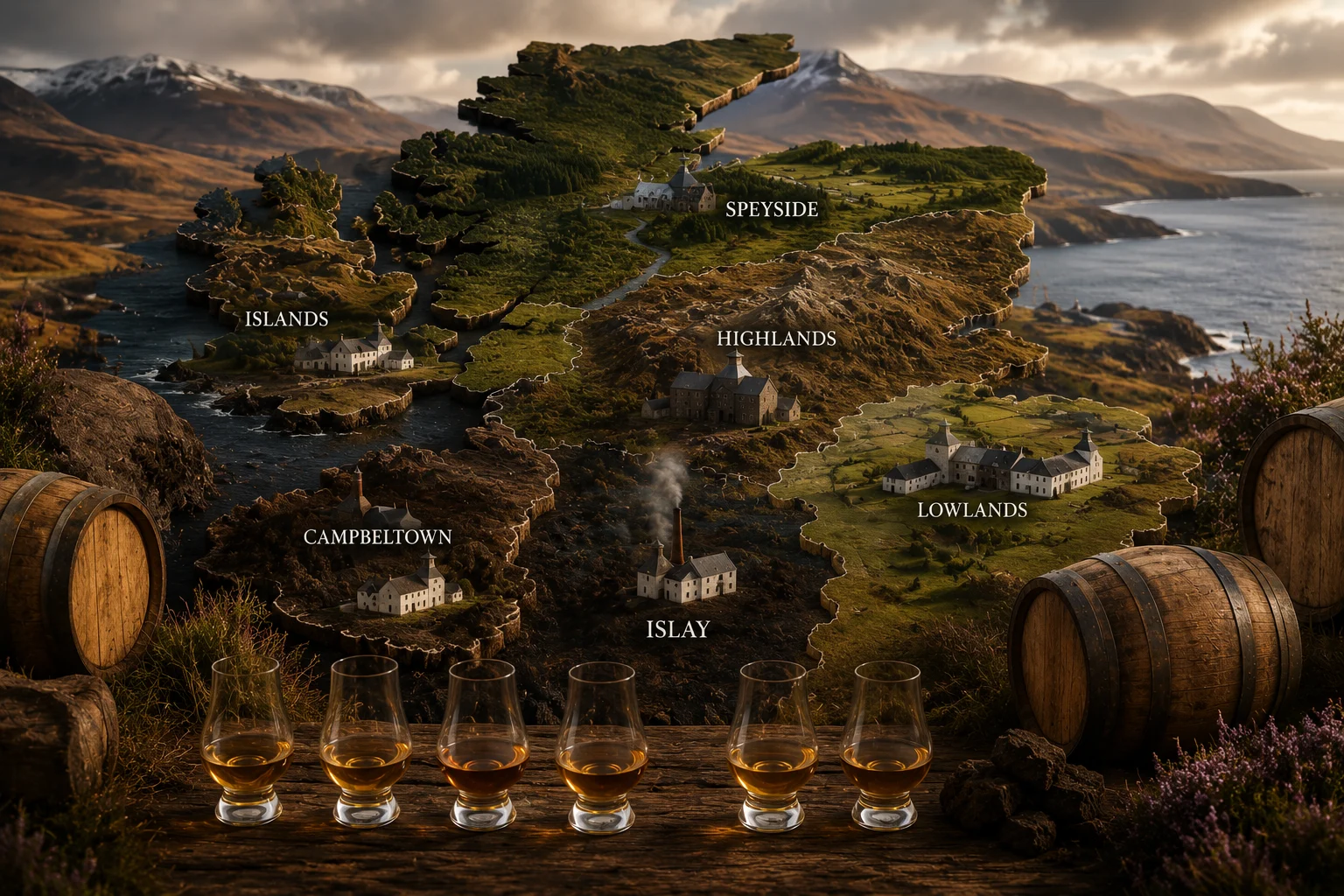
Scotland is divided into several well-known whisky-producing regions:
- Highlands
- Speyside
- Islay
- Lowlands
- Campbeltown
These regions originally described where distilleries were located — not necessarily how their whiskies tasted. You can see how scattered they really are on the Scotch Whisky Association’s distillery map.
Over time, whisky writers observed similarities between neighboring distilleries, and those observations gradually became accepted as flavor “rules.” Today, those rules are much less accurate.
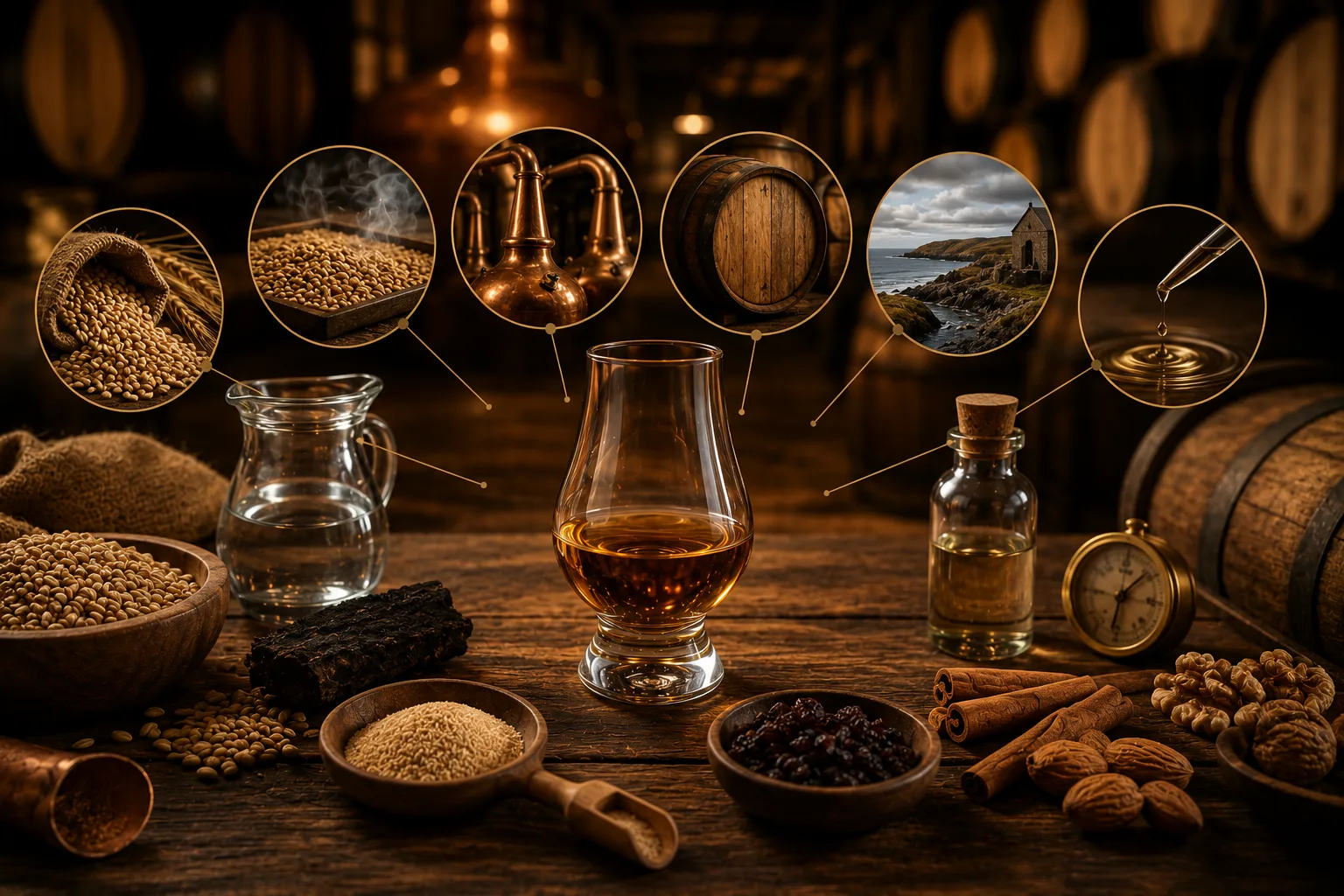
What Actually Shapes Whisky Flavor?
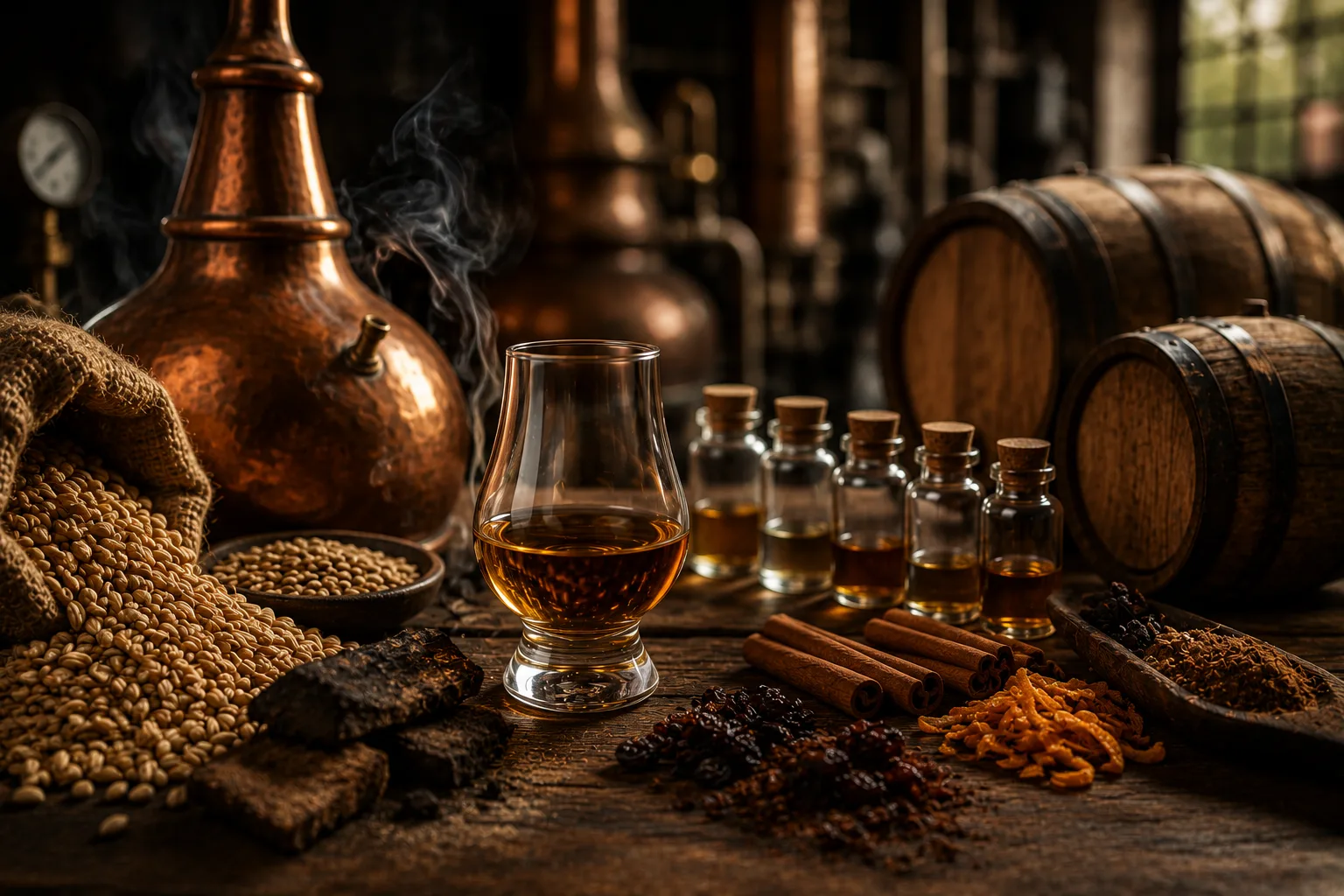
Instead of geography, the biggest influences on flavor are the decisions made during production.
Malt
The type of barley used—and whether it’s peated or unpeated—creates the foundation of a whisky’s character.
Fermentation
Longer fermentation often develops more fruity and floral notes, while shorter fermentation can produce a richer, malt-forward spirit.
Distillation
Every distillery has uniquely shaped stills and different distillation techniques. The Scotch Whisky Association sets out each stage of the process in detail.
These choices affect body, texture, and the intensity of flavors.
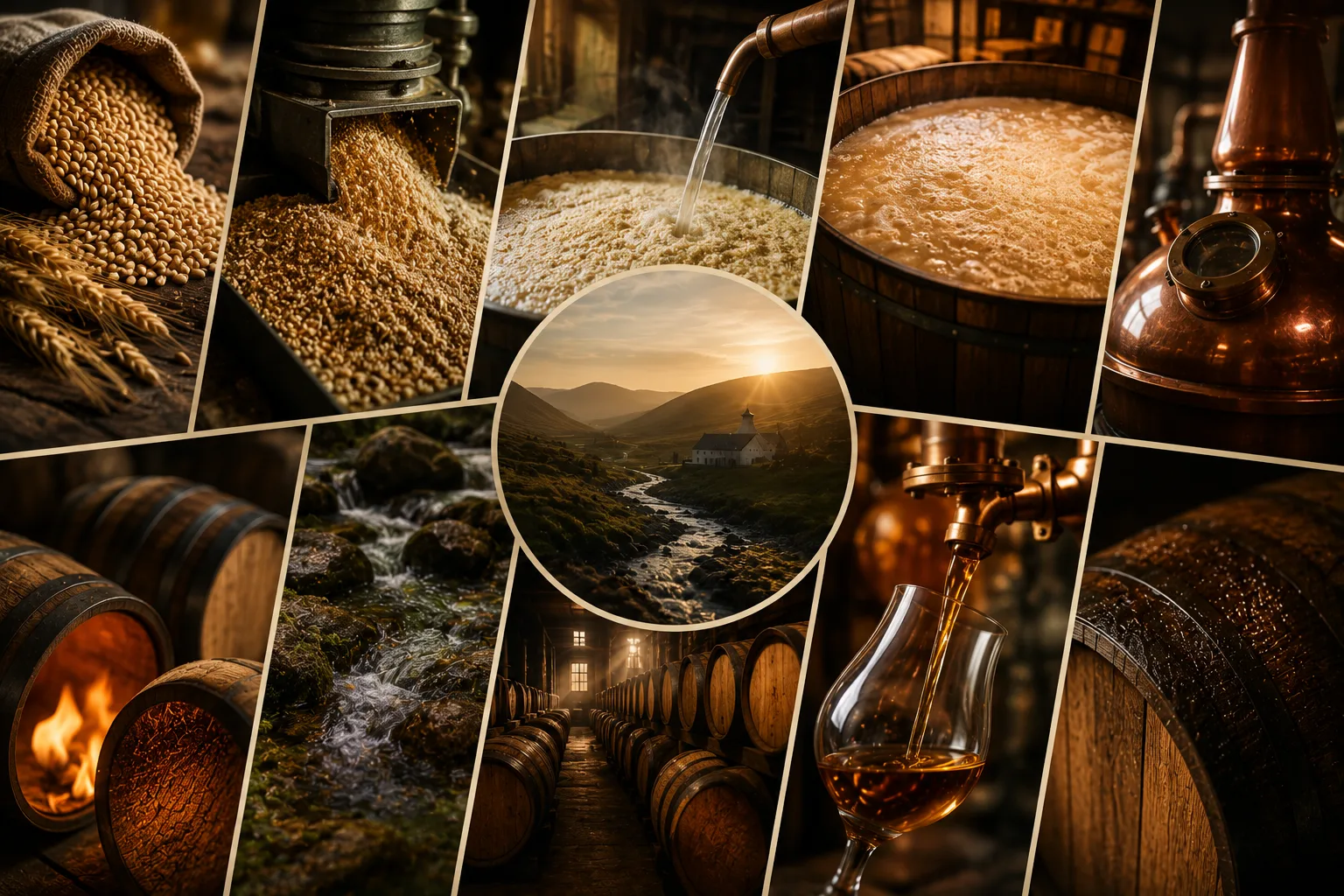
Cask Maturation
Perhaps the greatest influence comes from the oak cask.
Whisky matured in:
- Bourbon barrels
- Oloroso Sherry casks
- Port casks
- Madeira casks
- Rum barrels
- Wine casks
Age
Older doesn’t always mean better.
Longer maturation changes the balance between oak, spice, sweetness, fruit, and complexity. A well-judged 12-year-old can easily outshine a tired 21-year-old.
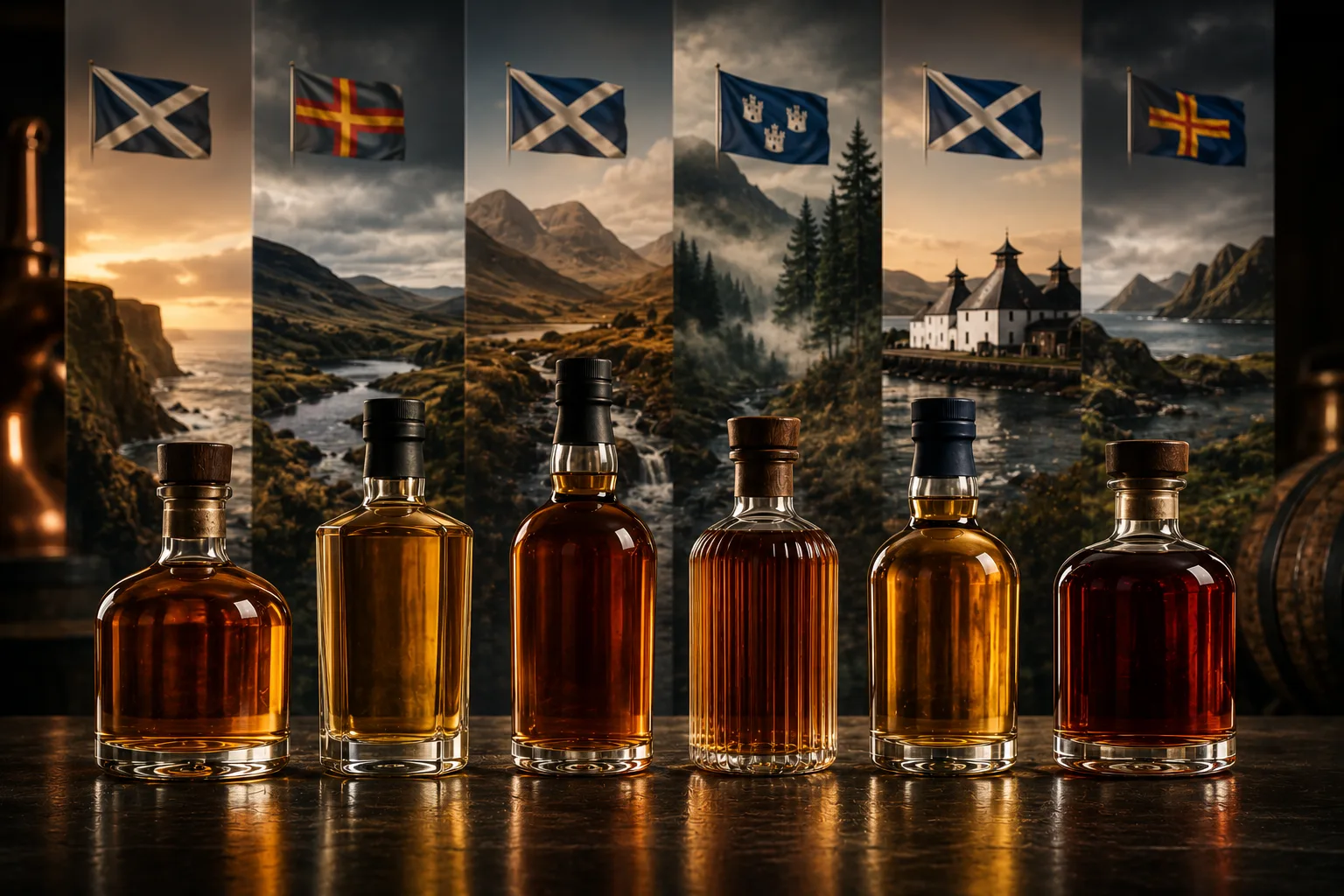
Peat Level
Some distilleries produce both peated and unpeated whiskies, and the malting stage is where that decision is made.
That means two bottles from the same producer can taste completely different.
Same Region, Completely Different Whiskies
Take Speyside as an example.
Within the same region, you’ll find whiskies that are:
- Rich and heavily sherried
- Light and floral
- Fruity
- Smoky
- Sweet
- Spicy
Islay Isn’t Just Smoke
Many people assume every Islay whisky is intensely peated.
That’s no longer true.
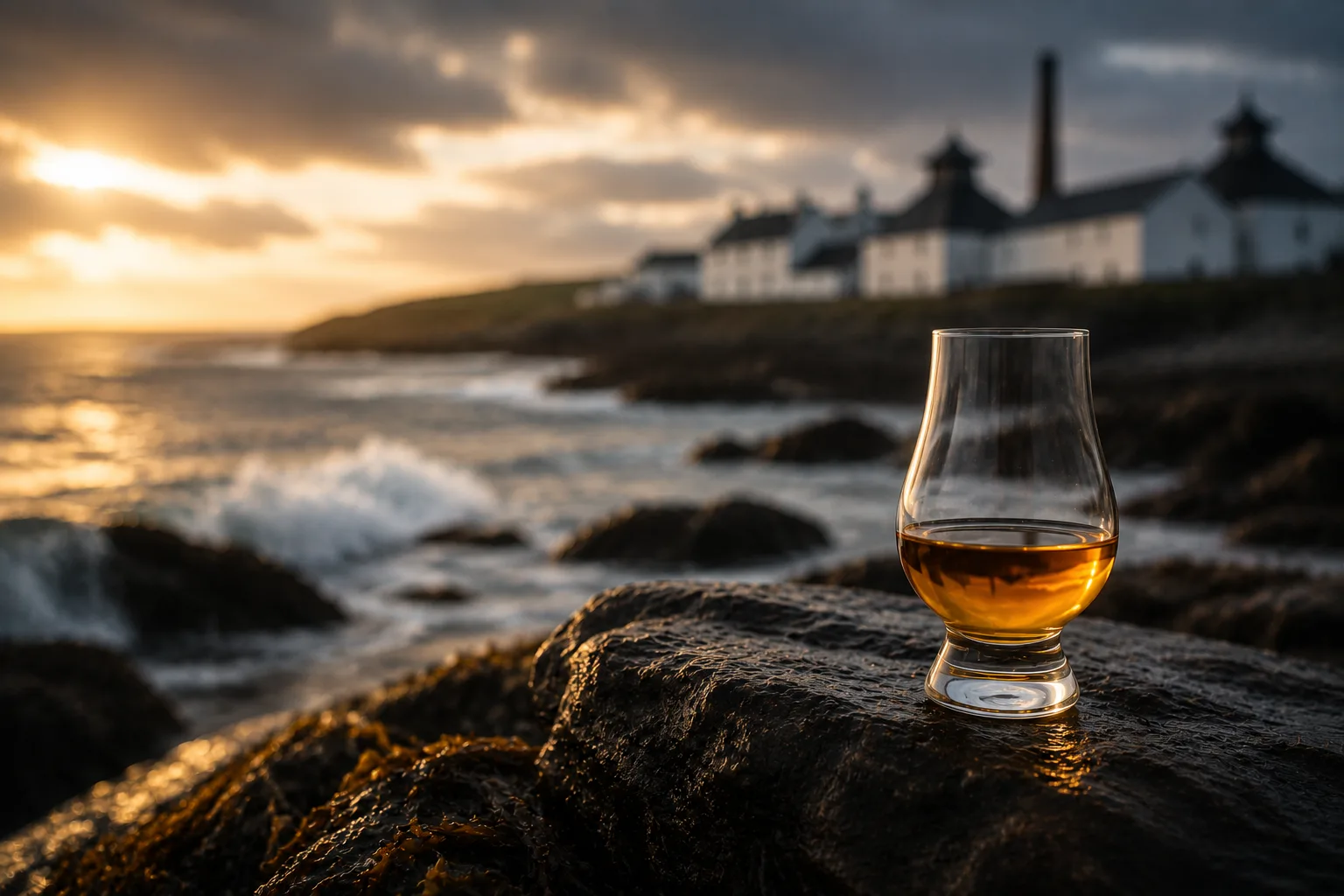
While distilleries like Laphroaig and Ardbeg are famous for bold smoke, others such as Bruichladdich and Bunnahabhain regularly produce unpeated expressions that highlight fruit, malt, and coastal character instead.
Even within Islay, there’s tremendous diversity.
So How Should You Choose a Whisky?
Treat region as a starting point, not a promise. It tells you roughly where a distillery sits; it does not tell you what is in the glass.
Read the label for the things that actually shape flavor:
- Cask type — ex-bourbon, sherry, port or wine, and whether it was a finish or full maturation
- Peated or unpeated, and the phenol level if it is stated
- Strength — cask strength behaves very differently from 40% ABV
- Age or vintage, remembering that older is not automatically better
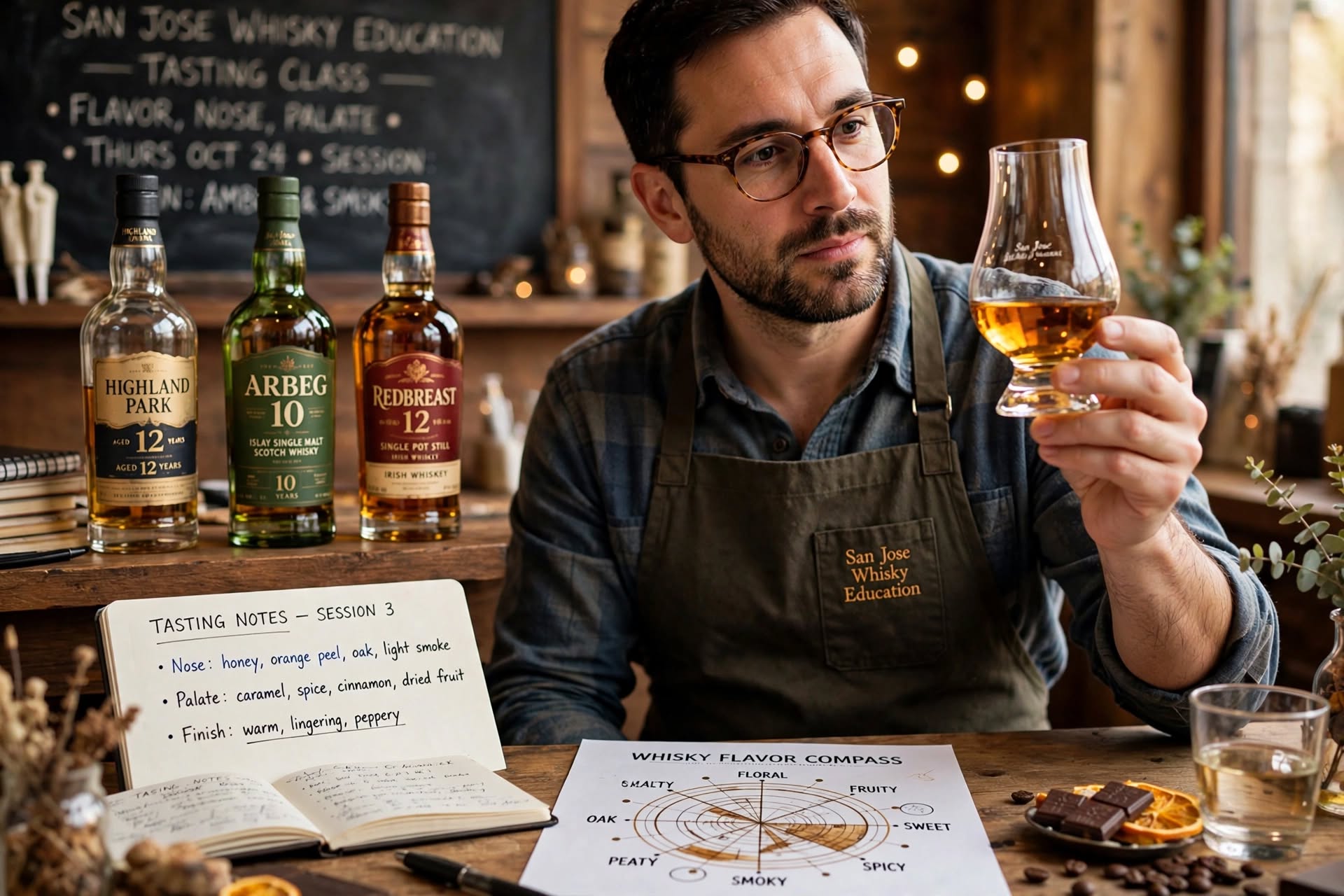
Then trust your own palate. Our Whisky EDU Flavor Compass gives you language for what you are tasting, and the beginner’s tasting guide shows you a simple method for working through a dram.